
The Magic of 'Wianki': Poland's Midsummer Night Dream
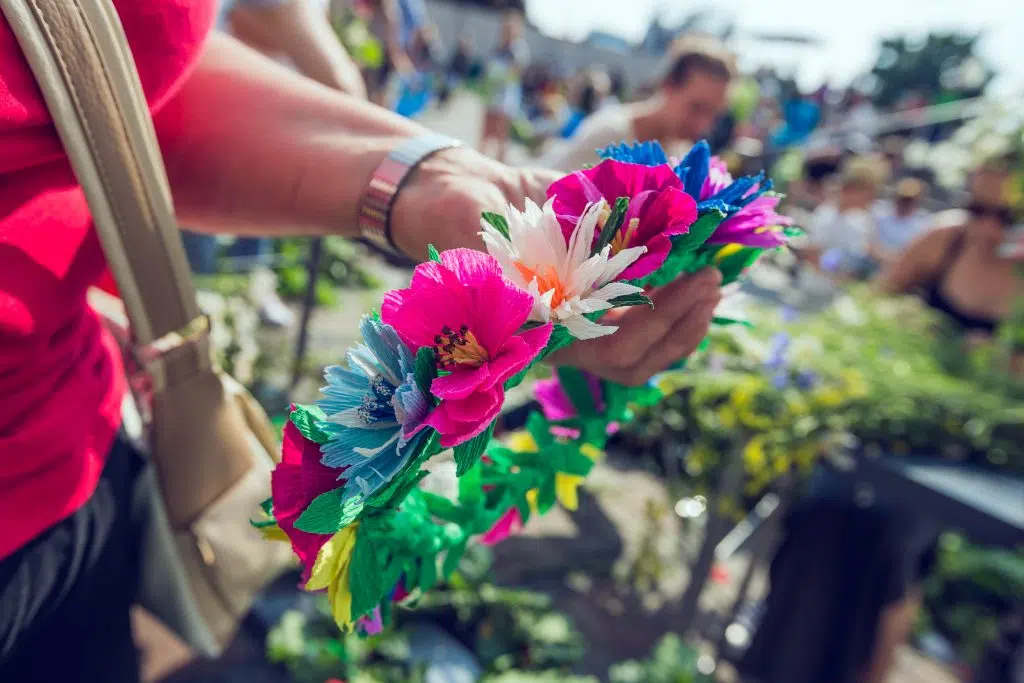
If you take a walk down the Vistula Boulevards (Bulwary Wiślane) in late June, you might suddenly feel like you have wandered onto the set of a fantasy movie. The sun is setting late, the riverbanks are packed with thousands of people, and everywhere you look, young men and women are wearing intricate, beautiful crowns made of wildflowers. As midnight approaches, you might even see bonfires being lit and glowing wreaths floating down the dark water of the Wisła.
You haven't traveled back in time. You are experiencing Wianki (The Festival of Wreaths) — one of the most deeply rooted, magical, and vibrantly alive traditions in Poland.
For an expat or migrant, participating in Wianki is the ultimate way to welcome the Polish summer. It is a massive, city-wide outdoor party, but unlike standard music festivals, this one is dripping with ancient Slavic history.
The Pagan Roots: Poland's Original Valentine's Day
Long before Christianity arrived, the Slavic people celebrated the summer solstice — the shortest night of the year. They called it Noc Kupały (Kupala Night). It was a celebration of water, fire, fertility, and love. Later, the Catholic Church merged it with the feast of St. John the Baptist, becoming known as Noc Świętojańska (St. John's Eve), traditionally celebrated around June 23rd.
In ancient times, this was essentially a Slavic Valentine's Day. Marriages were strictly arranged by elders, but on Kupala Night, the social rules were suspended. Young women would weave wreaths (wianki) from wild herbs and flowers, attach a lit candle to the center, and cast them into the river. The young men would wait downstream. If a man caught a specific woman's wreath, they were allowed to court each other.
If the wreath sank, burned, or got stuck in the reeds? That meant a year of bad luck, heartbreak, or remaining single.
The Legend of the Fern Flower
The most famous element of the night is the hunt for the Kwiat Paproci (Fern Flower).
According to Polish mythology, ferns never bloom — except for one single moment exactly at midnight on the summer solstice. The legend says the glowing, golden flower is guarded by dark forest spirits, and whoever finds it will be granted immense wealth, infinite wisdom, and the ability to read minds.
There is a catch, though: the magic only works if you never share your wealth with anyone else. The folklore usually ends with the finder realizing that being rich but entirely alone is a terrible curse, not a blessing. Today, "searching for the fern flower" remains a polite, culturally acceptable excuse for young couples to sneak away from the bonfires and disappear into the dark forest together!
How to Celebrate Wianki in Warsaw (2026)
You don't need to live in a rural village to experience this. Today, Wianki has evolved into massive cultural festivals.
In Warsaw, this event is legendary. For 2026, the main Wianki nad Wisłą celebration is returning on June 20th at the Multimedialny Park Fontann (Multimedia Fountain Park) at Podzamcze.
- The Vibe: The area turns into a giant, joyful picnic (Piknik Świętojański). You can expect historical reenactment groups teaching you how to weave traditional flower crowns, bake flatbreads over an open fire, and learn ancient Slavic dances.
- The Music: The evening transitions into a massive free concert featuring top Polish artists and international stars, concluding with a spectacular light and fireworks show over the Vistula.
- The Dress Code: If you want to fit in, embrace the "Slavic Boho" vibe. Wear light, flowing clothes. And most importantly, get a wreath! You can usually buy beautiful, freshly woven flower crowns from local vendors walking around the event for about 20–40 PLN.
Why You Should Go
After a long, dark winter and a rainy spring, Wianki is the psychological release valve for the entire city. The energy is incredibly warm, open, and communal. It is a time when the modern, fast-paced Polish capital stops to reconnect with nature and ancient folklore. Grab a blanket, buy a flower crown, and head to the river — it is an experience that will make you feel truly connected to your new home.
Useful Resources
- PIK Warszawa: Wianki nad Wisłą — The Warsaw Information Point (PIK) is one of the best local resources. Keep an eye on their page for the exact 2026 concert lineup and schedule as June approaches.
- Go2Warsaw Official Portal — The official tourist portal for Warsaw. They provide excellent, English-friendly updates on major summer events taking place along the Vistula.
- Dzielnica Wisła (Vistula District) — The official municipal site dedicated to everything happening on the riverbanks, including eco-workshops and summer events.
The 'Midsummer' Vocabulary Cheat Sheet
| Polish Word | Pronunciation | Meaning |
|---|---|---|
| Wianki | Vyan-kee | Wreaths / Flower crowns (also the name of the festival). |
| Noc Świętojańska | Nots Shvyen-to-yan-ska | St. John's Eve (The traditional night of celebration). |
| Ognisko | Og-nees-ko | Bonfire. (Jumping over the ognisko is said to purify you!). |
| Kwiat Paproci | Kvyat Pap-ro-chee | The mythic Fern Flower. |
| Wisła | Vees-wa | The Vistula river, the beating heart of Warsaw's summer. |
| Puszcza | Poosh-cha | Ancient, primal forest (Where you go to look for the flower). |
How to Weave a Wreath for Midsummer — A great, relaxing visual tutorial on how to weave a traditional Polish flower crown yourself before heading out to the riverside celebrations.
Further reading
2 Sept 2026

25 Aug 2026